Whole Foods Market’s 2027 Food Trends Predictions Report read like an adventurous shopping list: from fusion-style beef birria soup dumplings to reinvented buffalo-style chicken lasagna.
The annual forecast, developed by Whole Foods buyers, foragers and culinary experts, identifies eight trends expected to shape what shoppers put in their carts in 2027. Beyond those eye-catching examples, it predicts a bean boom, foods marketed for skin health and playful reinventions of familiar dishes.
Trends pay off when new products reach the shelf and sell. To get a piece of this year’s trendy sales, it’s crucial for stores to help shoppers find unfamiliar flavors, identify what makes products distinctive and build trust that what they buy is fresh. Here are three takeaways from Whole Foods Market’s 2027 Food Trends Predictions Report, and how proper merchandising solutions can help them be discovered.
Make product information easy to see
Two of Whole Foods’ predictions suggest shoppers will pay closer attention to packaging. First, “Terroir’s New Territory” points to greater interest in where foods come from and their origin stories. Second, “Ingredient Minimalism” highlights shorter ingredient lists and scrutiny of additives and ultra-processed foods. What do these two have in common? They are information that can only be found on the product packaging.
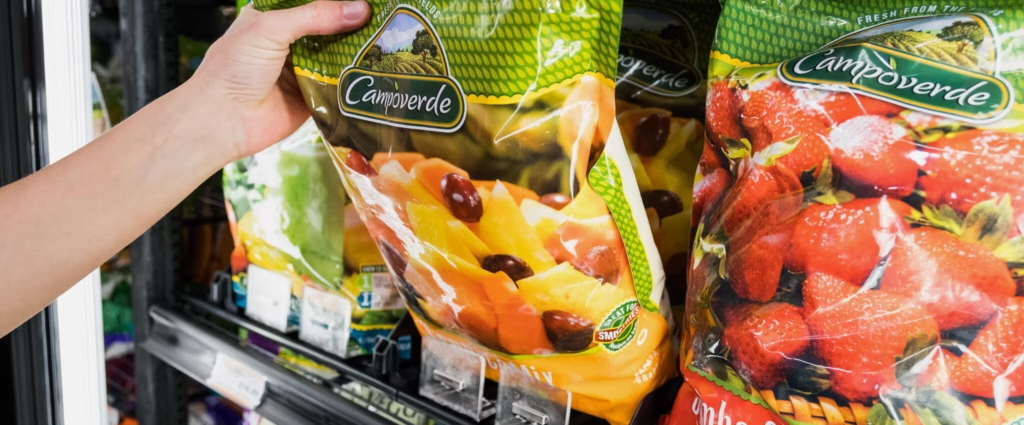
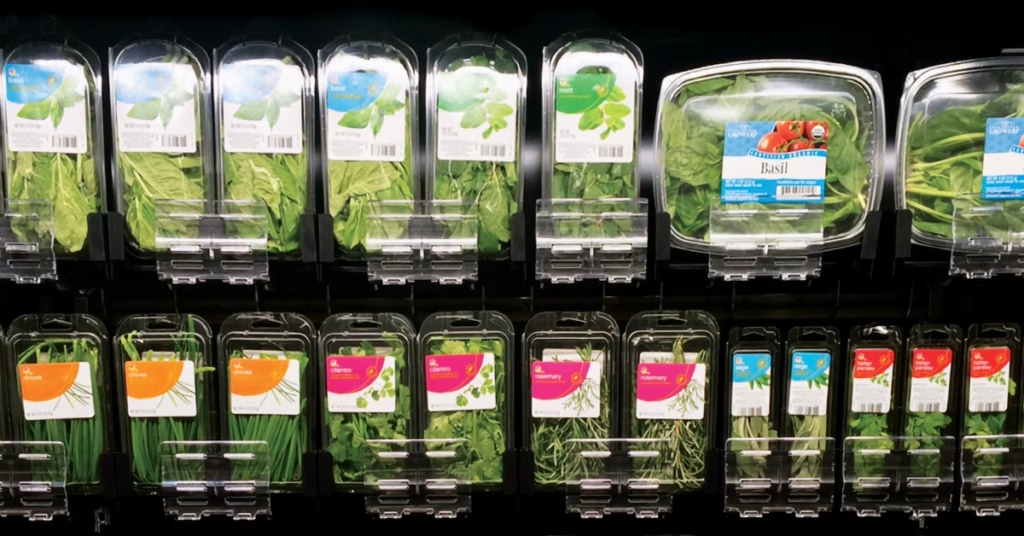
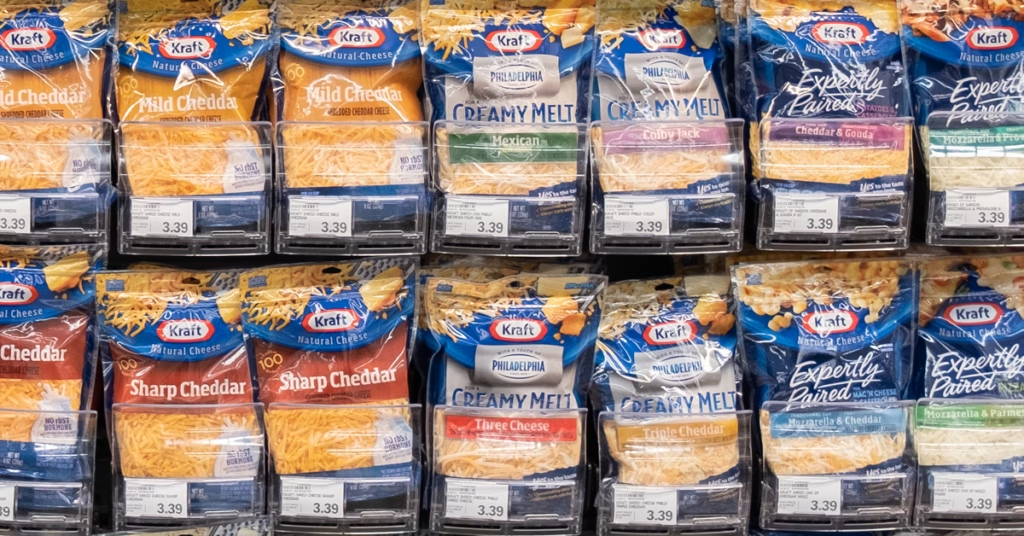
A bag of shredded Parmigiano Reggiano, a package of sliced prosciutto or a clamshell of regional vegetables only sells its story if shoppers can read it. Origin claims and short ingredient lists get lost when packages tip over or disappear behind bulky shelf fixtures. Pusher systems like SpaceGrid® II keep products in produce, dairy and meat departments front-facing, while the crystal-clear lens keeps packages upright without obscuring the front of the label. In the freezer case, ShelfHero, our on-shelf merchandiser for frozen foods, brings that same front-facing organization to frozen entrees, pizza and potatoes. Either way, shoppers can spot an origin claim or ingredient list at a glance, then pick up the package to examine the details and purchase.
Help reinvented dishes get discovered
Whole Foods’ “Dish Reinvention” prediction describes familiar favorites in new forms, such as birria on ramen, smash burgers as tacos and cinnamon rolls as focaccia. The trend is already reaching prepared foods, with items like Elote Pizza, Beef Shawarma Soup and Buffalo-Style Chicken Lasagna.
Reinvented dishes rely on familiar flavors shoppers know and love. The chance of a trial is likely, so long as the packages are visible to explain themselves in seconds. The right merchandising systems can keep reinvented products visible, so shoppers can find the foods they’re looking for on the shelf, and subsequently new items they discover when they’re there.
Put waste reduction into everyday shelf practices
Whole Foods’ “Zero Waste 2.0” prediction includes products made from ingredients that might otherwise be discarded, along with discounted items approaching expiration.
The prediction impacts both emerging and existing food brands alike. According to the U.S. Food Waste Pact, retailers had 3.98 million tons of unsold food in 2024, representing $26.9 billion in lost sales.
Effective merchandising supports first-in, first-out (FIFO) rotation, a practical way to minimize expired inventory. SpaceGrid II’s pull-out trays make it easier to restock products from the back, helping older items sell first to reduce shrink. Organized shelves also help associates spot products that need attention before they expire.
As grocers make room for next year’s flavors, the fundamentals stay the same: shoppers need to find each product, see what makes it distinctive and trust that it’s fresh. Front-facing, well-organized refrigerated and frozen shelves deliver all three, keeping inventory moving and shrink down. Retail Space Solutions’ merchandising systems can help you get there. Browse our full inventory of product offerings to find the right solutions for your grocery store.